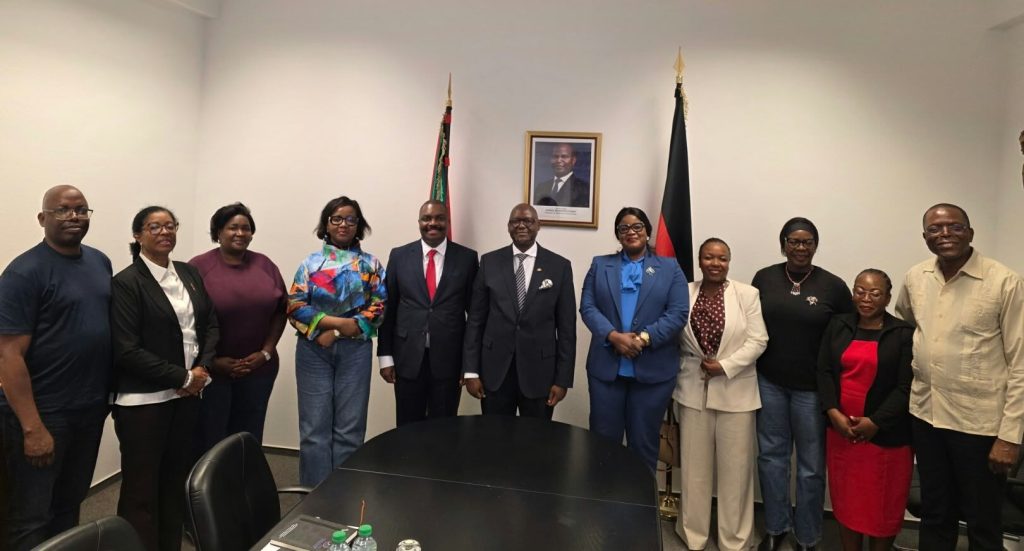
The Technical Commission for the Inclusive National Dialogue, chaired by Edson Macuácua, concluded the diaspora public hearings on 5 October. The sessions covered South Africa, Eswatini, Zimbabwe, Zambia, Malawi, Tanzania, Kenya, Portugal and Germany.
The three reform scenarios
The hearings presented the three reform scenarios arising from the previous phase of public consultations.
Scenario 1 — deep reform. It envisages refounding the State, with a constitutional reform resulting in the creation of a “new Republic”, with profound changes to the organisation and exercise of political power, altering the system of government. It is a scenario of rupture.
Scenario 2 — moderate reform. It envisages gradual change, consolidating the current political system and retaining what is considered positive, while introducing reforms designed to improve democratic governance without profoundly altering the system in force. It allows the system to be consolidated and changes to be made without rupture.
Scenario 3 — continuity with adjustments. It maintains the current political system, preserving the structure of the State, with targeted adjustments to consolidate it.
Themes under debate
The hearings revolved around ten themes: constitutional affairs, electoral affairs, tax affairs, justice, economic affairs, natural resources, public administration and the departisation of the State, national unity and reconciliation, and defence and security.
Among the themes that drew the greatest attention were electoral affairs, natural resources, national reconciliation, education, justice and corruption.
Assessment and next steps
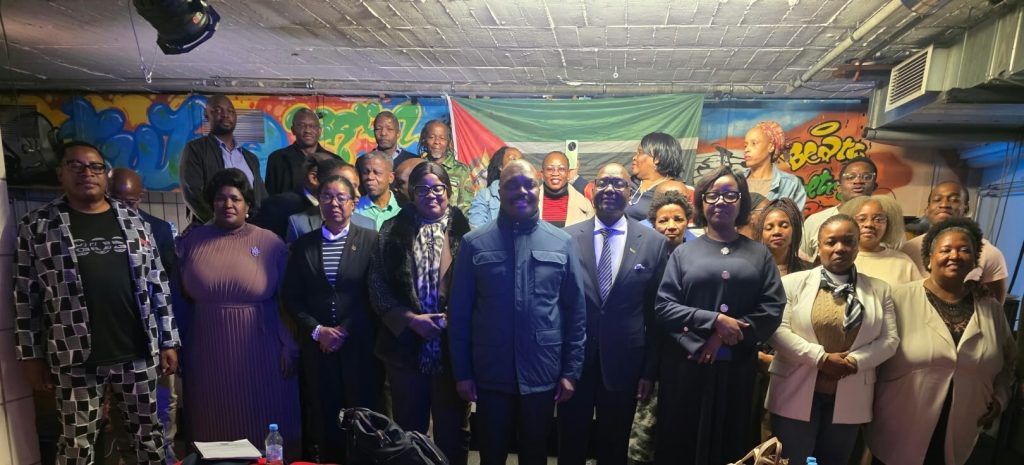
“We are pleased with the richness of the contributions received. Participation was active and extensive. Citizens expressed their views freely,” said the President of the Technical Commission.
The contributions received are now being systematised, so as to shape concrete proposals as the final product of the inclusive national dialogue. The ten working groups are systematising the material gathered and preparing proposals.
Despite the formal closure of the public hearings, the Technical Commission remains open to further contributions from civil society, public and private institutions, academia and citizens. The digital channels remain open for interaction and civic participation.
While the systematisation proceeds, arrangements will be made to extend the process to the northern region of Cabo Delgado, covering districts that, for security reasons, had not been reached during the hearings phase.
Priority goes to electoral legislation, to ensure it is approved in good time so that the next elections are governed by new law.
International projection
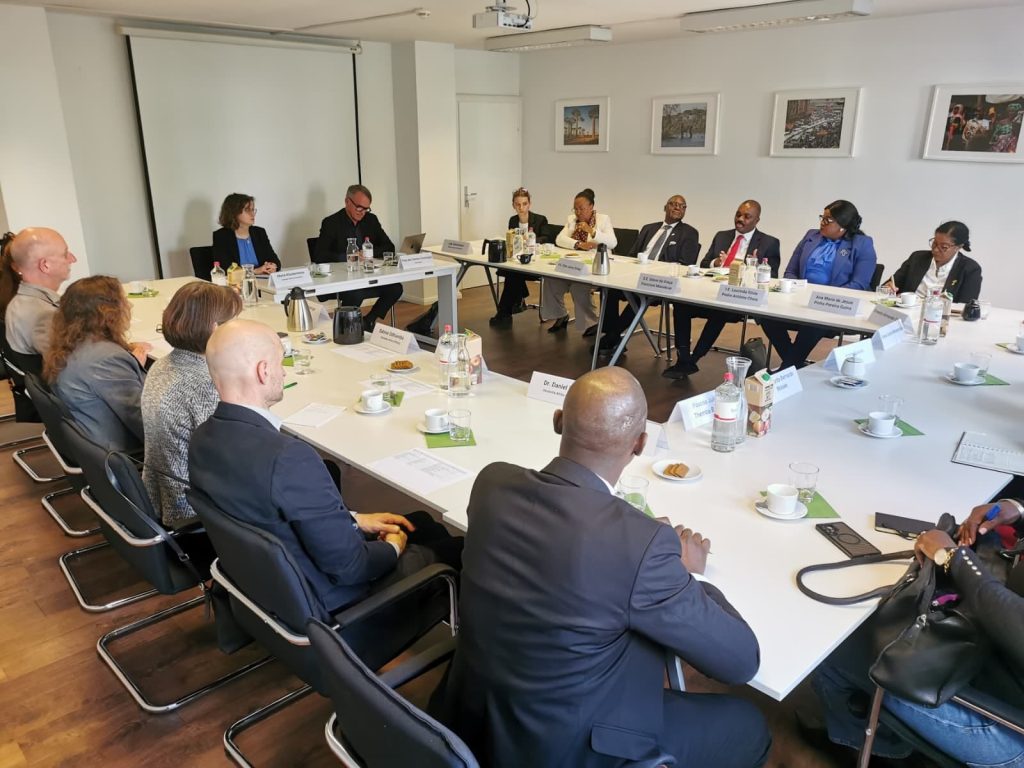
In Germany, the Technical Commission met the German-African Foundation, in a session attended by representatives of the Government, the Assembly and civil society. The inclusive national dialogue process and the country’s political, economic and social situation were discussed, and governmental and non-governmental institutions were invited to continue cooperating with Mozambicans in consolidating peace, democracy and development. The meeting was strategic in strengthening ties of friendship, solidarity and cooperation between Mozambique and Germany, and in projecting a good image of Mozambique within the European Union.
This period was also marked by the internationalisation of the dialogue at the highest level. His Excellency Daniel Francisco Chapo, President of the Republic, highlighted the importance of the dialogue in his address to the 81st Session of the United Nations General Assembly.
Mozambique’s experience was shared at a high-level event in New York, alongside the 81st Session of the General Assembly, co-organised by the Mission of Mozambique to the United Nations and by the Peacebuilding Commission, in a session led by the President of the Republic. The event was attended by senior United Nations figures, representatives of various African and European States, non-governmental organisations and the Mozambican community living in New York.
In the same period, a delegation from South Africa was received in Maputo to learn from Mozambique’s experience of the inclusive national dialogue.
The inclusive national dialogue has been a platform taken up by society, contributing to the country’s stabilisation, to national reconciliation and to the exercise of citizenship in the service of peace, democracy and development.