…a choice that puts President Chapo’s vision of leadership to the test
By: Noel Manhonga Jr | Politician/Writer
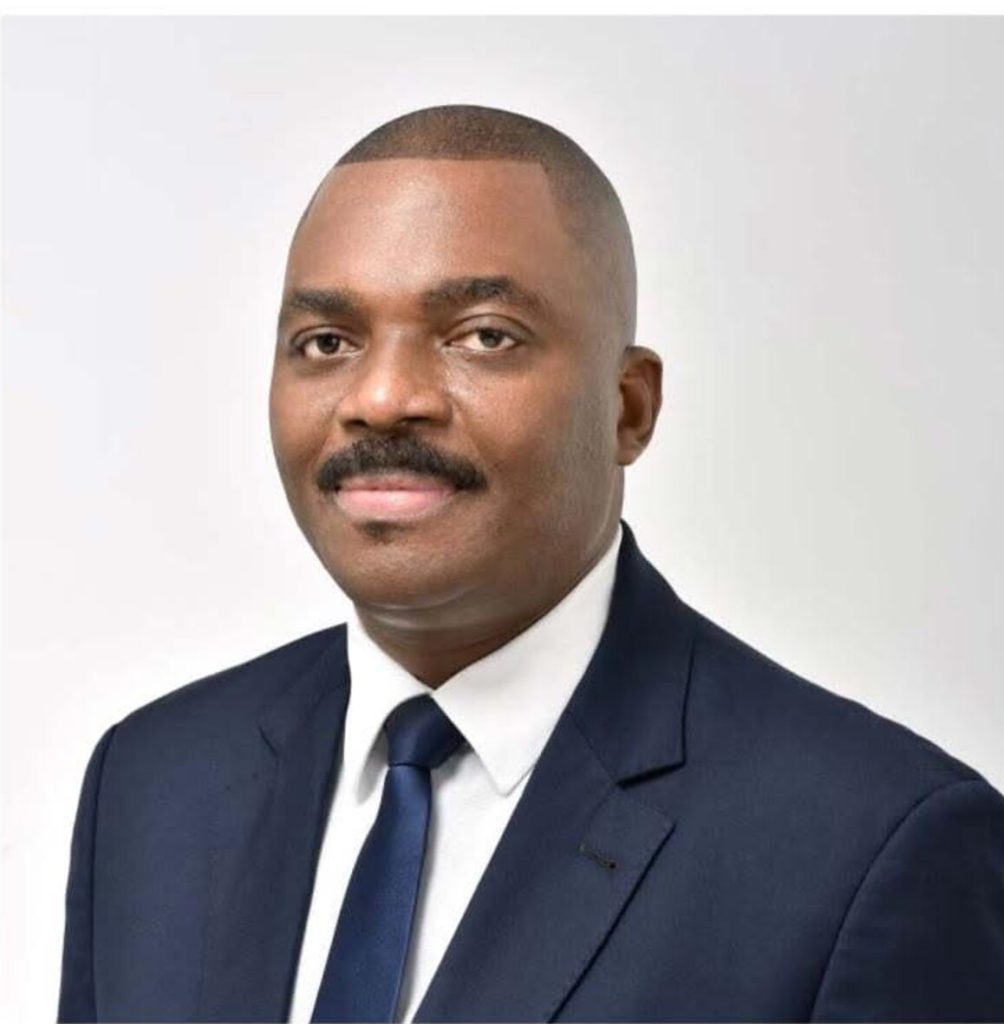
The appointment of Edson da Graça Macuácua as Minister of Education and Culture has been met with expressions of satisfaction from citizens who recognise, in his academic, political and professional career, qualities relevant to the sector’s challenges. The nomination has brought into public debate the expectation of a leadership that stays close to people, is open to dialogue and is capable of turning knowledge into concrete results.
From conversations in the streets to posts on social media, the phrase “President Chapo put the right man in at the right time” has been used by supporters and citizens who see in this choice a sign of confidence in Macuácua’s experience and personal qualities. More than a simple change of office-holder, the appointment highlights how important it is to choose leaders who understand the human dimension of public institutions and the responsibility of serving the citizen.
Chapo and the responsibility of choosing those who serve the people
The decision by the President of the Republic, Daniel Francisco Chapo, can be read in the light of a fundamental question of government: what kind of leader is needed to meet society’s expectations?
In Education and Culture, the challenges go beyond administrative management. They demand the capacity to listen, permanent dialogue with teachers, recognition of staff, an understanding of community realities and a commitment to improving the quality of teaching and to promoting Mozambican culture.
In entrusting this responsibility to Edson Macuácua, President Chapo places at the centre of public attention a leader whose academic path, institutional experience and engagement with national debate are important assets for the exercise of his new duties.
The significance of this choice, however, does not end with public recognition. Its true reach will be measured by the capacity to turn expectations into effective policies, concrete responses and results that reach schools, teachers, students and communities.
Presidential leadership shows its consistency not only in the choice of office-holders, but also in the capacity to entrust them with responsibilities, to demand results and to ensure that government action remains geared to the public interest.
Macuácua: humility, dialogue and closeness as hallmarks of leadership
Those who have followed Edson Macuácua’s career recognise in him qualities often associated with accessible leadership: a willingness to listen, an ability to communicate and an openness to dialogue. These are qualities which, when combined with technical competence, responsibility and a sense of mission, can contribute to a public administration closer to its citizens. In a sector as sensitive as Education and Culture, knowing how to listen is as important as knowing how to decide. Teachers need to be heard, students should find institutions that respond to their needs, and school managers need the conditions to do their jobs. The relationship between the Ministry and its professionals must rest on trust, respect and the joint search for solutions.
It is in this context that a leader’s humility and accessibility take on meaning. A minister’s authority is not measured only by the position he holds, but also by his capacity to engage with different sectors, acknowledge difficulties and mobilise people around common objectives.
The Ministry of Education and Culture needs a leadership that does not confuse authority with distance, nor management with imposition. It needs someone who understands that to lead is, above all, to take on responsibilities before the country.
A minister who knows the value of teaching and the strength of dialogue
Edson Macuácua’s connection to academia is a relevant element in understanding the profile he brings to the Ministry. Teaching, beyond the transmission of knowledge, demands intellectual discipline, the capacity to communicate, to listen, and a commitment to human formation.
The expectation surrounding his leadership is therefore that his academic experience may contribute to an approach that values the teacher, dignifies the teaching profession and places learning at the centre of national priorities.
Dialogue is likewise an important dimension of his institutional career, including his participation in the Inclusive National Dialogue process. This kind of experience shows the relevance of bringing different actors together in the search for understandings and solutions on matters of national interest.
In Education and Culture, that capacity for dialogue may prove particularly important in bringing the Government closer to the unions, education institutions, families, cultural practitioners and the sector’s other stakeholders.
Experience alone is not expected to solve every problem. What is expected is that it be placed at the service of responsible management, with clear priorities, well-founded decisions and openness to the evaluation of results.
Education needs a leader, but it also needs results
Macuácua’s arrival at the Ministry raises expectations because Education and Culture occupies a central place in Mozambique’s development. No strategy of economic and social transformation can be sustainable without valued teachers, schools with adequate conditions, students prepared for the challenges of the future, and policies that recognise the country’s cultural diversity.
The sector’s professionals expect a leadership capable of understanding their concerns, promoting institutional dialogue and working towards lasting solutions. Families expect quality education. Young people expect learning opportunities that allow them to build their future. And society expects culture to be treated as an integral part of national identity and development.
That is why the phrase “the Ministry has gained a father and a leader, not merely a boss” captures, for many of those who place their expectations in this appointment, an essential idea: the need for a leadership that combines firmness in decisions with humanity in relationships.
Public confidence, however, must be matched by responsibility. Recognition of a leader’s personal qualities is a starting point; consolidating that confidence will depend on his capacity to confront the sector’s concrete problems and to present verifiable results.
Chapo has chosen; Macuácua now has the responsibility to deliver
The appointment of a minister is always a moment of confidence, but also of demand. It falls to President Daniel Francisco Chapo to assemble a government team capable of carrying out national priorities. It now falls to Edson Macuácua to demonstrate, in the exercise of his duties, that the profile attributed to him can translate into efficient management, open to dialogue and geared to results.
It is in this balance between political confidence, institutional competence and accountability that credible governance is built.
The satisfaction expressed by citizens and supporters of the appointment is a sign of expectation. The next challenge is to turn that expectation into confidence sustained by concrete achievements.
Congratulations to the President of the Republic, Daniel Francisco Chapo, on the choice that placed Edson Macuácua at the head of the Ministry of Education and Culture. May this new stage be marked by the valuing of teachers, the strengthening of education institutions, the promotion of national culture and the building of solutions that respond to the needs of Mozambicans.
Because, in the end, the greatness of an appointment is not measured only by the applause of the first day, but by the difference the leader manages to make in people’s lives.
Opinion piece by Noel Manhonga Jr, published in Revista Imperdível, 21 October 2026. Transcript published with permission. The views expressed are the author’s own. Translated from the Portuguese original.